6 mins
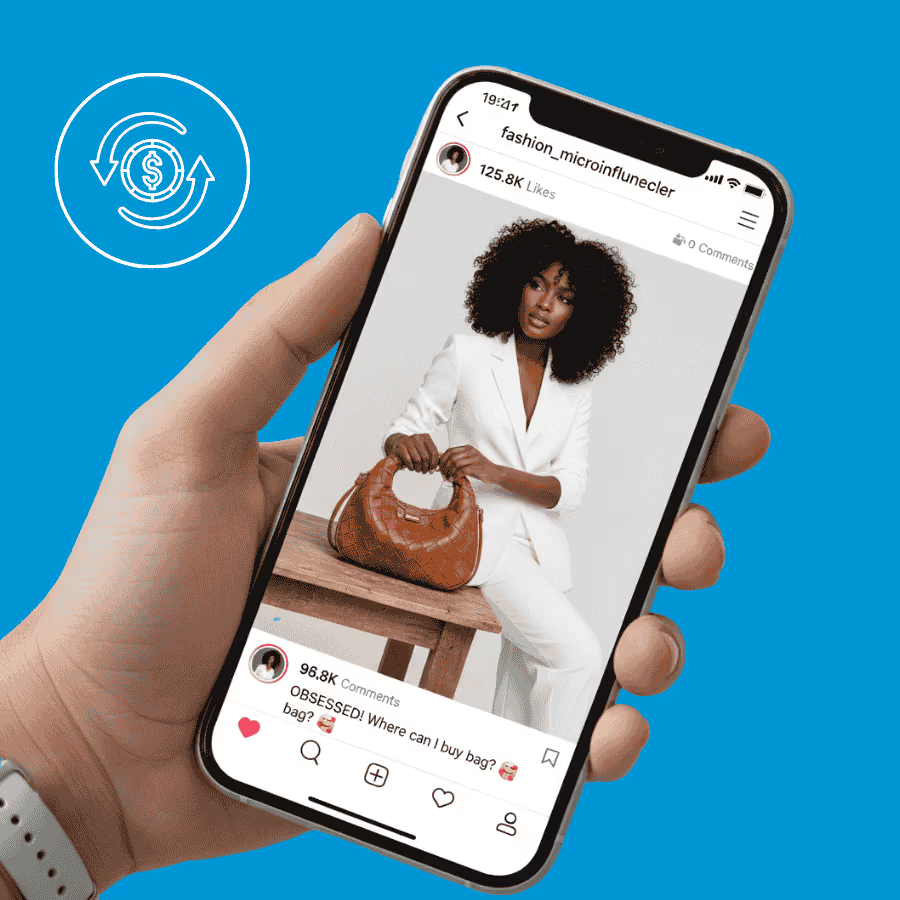
It's not enough to just use celebrity mega-influencers for fashion campaigns anymore. It's not enough to just use celebrity mega-influencers for fashion campaigns anymore. Micro fashion influencers create niche communities where people can really connect, trust each other, and, most importantly, see a measurable return on investment (ROI).
Introduction: Why Micro Fashion Influencers are the New Power Players
Micro fashion influencers create niche communities where people can really connect, trust each other, and, most importantly, see a measurable return on investment (ROI). These are the creators, who usually have between 10,000 and 100,000 followers, who have built a loyal, highly relevant audience that is only interested in style, trends, and specific aesthetic niches.
Fashion brands aren't just following a trend by getting into this tier; they're making a strategic change. Micro-influencers have higher engagement rates because their content seems real and personal, which makes people more likely to buy. This guide from the ROI experts at Boomerang will show you exactly how to make a micro-influencer partnership into a big money maker.
1. Defining Your Metrics: What Does "Maximum ROI" Mean?
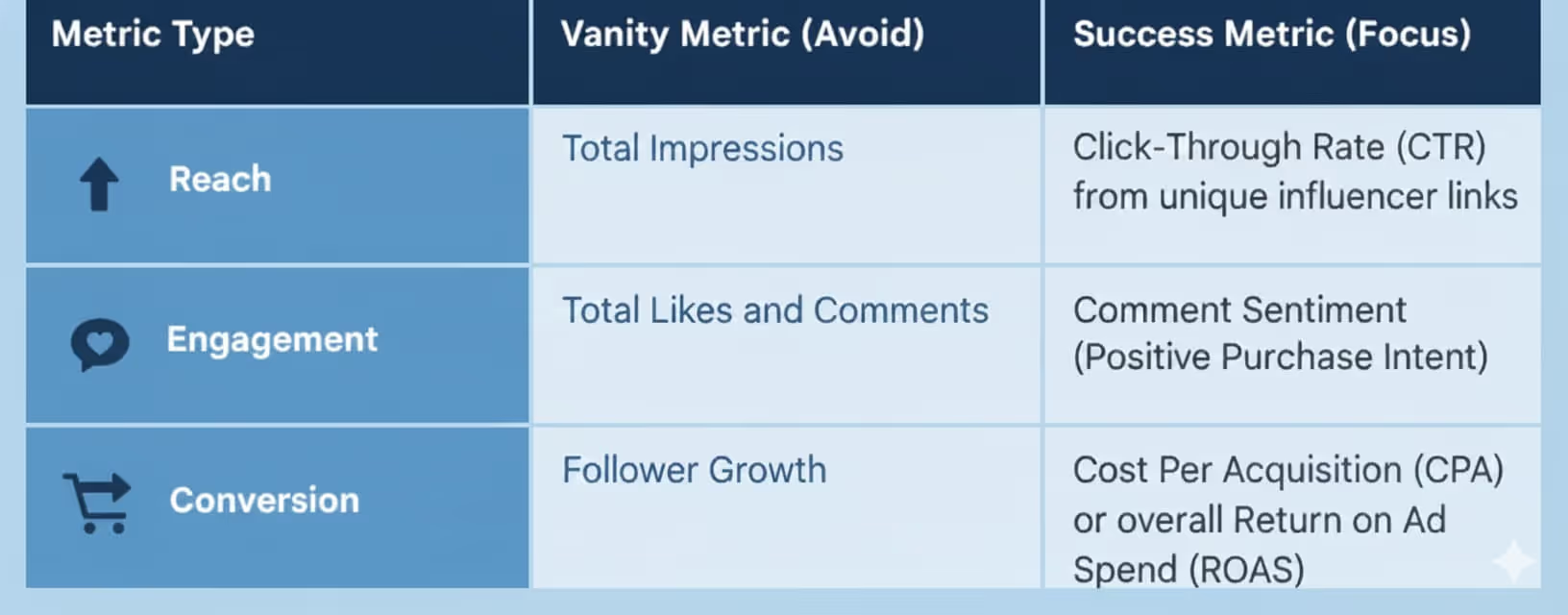
Before you even start searching for micro fashion influencers, you must clearly define what success looks like. Since Boomerang focuses exclusively on data-driven results, we emphasize moving beyond vanity metrics.
Actionable Tip:
Set a goal for your campaign's CPA. This makes sure that every partnership with a micro fashion influencer is held to a financial standard, not just a popularity contest.
2. Vetting for Authenticity: Finding the Right Micro Fashion Influencers
There are so many creators that it can be hard to keep up. You need to find micro-influencers whose followers are exactly like your ideal customers.
Look Beyond Follower Count: The Three A’s of Vetting
- Authenticity: Use analytics tools to check for audience quality. Do they have a high number of followers from irrelevant regions, or are the engagement patterns suspicious? Genuine micro fashion influencers have consistent, high-quality comments, not just general emojis.
- Affinity: Does the niche of their content fit perfectly with the style of your brand? A sustainable fashion brand needs a micro-influencer whose feed is full of eco-friendly style and ethical sourcing, not just hauls of fast fashion.
- Activity: How often do they write? More importantly, how often do they interact with the people around them? When a micro-influencer is very responsive, it shows that they have a strong, trusting relationship with their followers. This means that people will trust your brand.
Boomerang Insight: Our in-depth research often shows that the best micro fashion influencer for a certain niche might have 20,000 followers and a 10% conversion rate on their swipe-up link, which is much better than a 200,000-follower influencer with a 1% conversion rate. Data is the most important thing.
3. Making the Campaign: Strategy for Content and Pay
To maximize ROI, the campaign must feel seamless, not salesy.
3.1. Creative Freedom is Key
Micro-influencers do well when they are real. If you give them stiff scripts or assets that are too polished, their content will not work and will lose its real appeal. Instead:
- Provide a mood board and key messaging points (e.g., "focus on the comfort and versatility of the shoe").
- Allow them to integrate the product naturally into their existing content style (e.g., a "day in my life" vlog where they happen to be wearing your apparel).
3.2. Performance-Based Compensation
A small base fee covers the creator's time and effort, but a performance structure is what really motivates them to get the most out of their investment.
- Set up a tiered commission system: give them a base rate and a percentage of the sales they make through their own affiliate link or code.
- Give bonuses: Give high achievers a bonus for reaching conversion goals or going above and beyond a set traffic goal. This makes the micro fashion influencers really want to promote your product.
Related Articles:
Influencer Marketing for Fashion Brands in Dubai: Trends, Strategies & Success Stories
How to Become a Fashion Influencer and Get Brand Deals in the MENA
From Runway to Reality: How Dubai's Top Fashion Bloggers Are Redefining Style
Conclusion: Partnering for Profitability
In a competitive market, the best way for fashion brands to get a high, long-term return on investment is to work with micro fashion influencers. It moves your marketing budget from broad, expensive reach to targeted, high-conversion influence.
However, execution requires precision—from data-led vetting to performance-based tracking. That is where a strategic partner steps in.
We at Boomerang know how to cut through the noise to find, run, and grow high-performing influencer campaigns based only on results that can be measured. Work with the influencer agency that promises a data-driven approach if you want to stop guessing and start seeing real results from your fashion influencer marketing budget.